How to Handle Emergency Maintenance
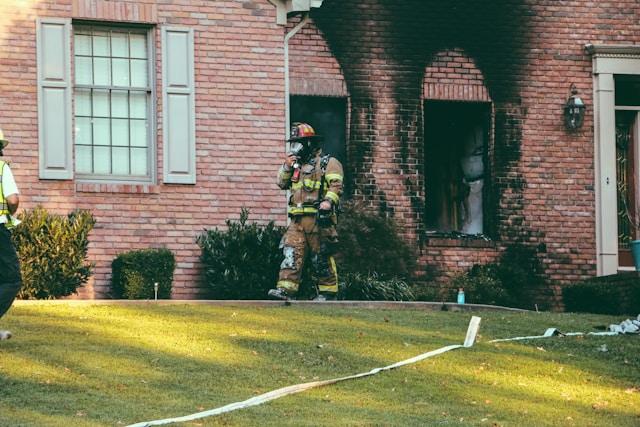
As a property manager, you know that emergency maintenance demands a lightning-fast response. Delays can damage your relationships with both tenants (who face frustration) and clients (who may face escalating repair costs). Remember, slow action could leave you liable for preventable damage. For water leaks, fires, security breaches, and other emergencies, prioritize immediate action to minimize harm to the property and its occupants.Developing a tried and true process for handling emergency maintenance requests is a solid way to deal with them as soon as they come in. Your emergency plan should have the following stages:Receive the tenant's maintenance request.Diagnose the tenant's request.Troubleshoot the potential emergency.Dispatch the appropriate vendor to handle the emergency request.Notify the property owner or staff of the emergency.Confirm that the emergency was successfully resolved.Receiving Tenant Maintenance RequestsTenants facing emergencies need a reliable and easily accessible way to reach you. People naturally gravitate towards immediate contact during emergencies. Without a dedicated emergency phone number, tenants may submit requests online - which might not trigger an urgent response. Even email alerts often lack the sophistication to distinguish emergencies from routine maintenance.The best course of action is to provide a multi-channel approach. Offer a designated emergency phone number for immediate contact as well as a user-friendly online system for non-urgent requests. Most importantly, ensure the online system flags emergencies for prompt attention by your team. This multi-layered approach empowers tenants to reach you quickly while allowing you to prioritize urgent repairs and minimize property damage.Equipping tenants with the right emergency contact method is crucial. Property managers have two main options: an on-call phone for after-hours emergencies or a contracted 24/7 call center. The key is ensuring immediate access to someone who can diagnose the situation. An untrained receptionist fielding calls won't be able to distinguish emergencies or initiate the proper response. Instead, prioritize a system where trained professionals answer calls, assess the urgency, and take appropriate action. This ensures a swift and effective response to emergencies, minimizing damage and tenant frustration.Diagnose and Troubleshoot the Tenant's RequestNot all after-hours calls will be true emergencies. Having a trained professional answer the phone allows for crucial triage. They can assess the situation and determine if immediate action is required. In some cases, troubleshooting might be the answer. The trained professional can guide the tenant through simple fixes or, if the issue isn't urgent, convert it to a routine maintenance request for the next business day. This reduces unnecessary dispatches while ensuring emergencies receive prompt attention.Any situation that, if left unaddressed, could cause injury, threaten health, or lead to serious property damage qualifies as a maintenance emergency. These issues require prompt attention to minimize harm to both tenants and the property itself. Here are some issues that qualify as an emergency:Water leaks that can't be stopped by turning off the water to the unitFloodingNo running water in the unitNo AC above 95 degrees or no heat in freezing temperaturesBroken windows, doors, or other security-related issuesElectrical outages that aren't caused by or related to the power companyLife-threatening emergencies like gas leaks, carbon monoxide leaks, and firesHandling the RepairsAfter diagnosing the emergency, assess whether your team or you have the skills and time to handle the repair. Consider the complexity of the task and the urgency of the situation. Having a pre-established list of reliable emergency contractors with 24/7 availability is invaluable. This eliminates the need for time-consuming searches when a swift response is critical.Notify Others of the Emergency and Confirm ResolutionHaving a plan for emergencies, from overflowing toilets to structural fires, is crucial for property managers. A quick response minimizes damage and keeps everyone safe. Here's the key:Diagnose and Act Fast: Assess the situation and determine if your team can handle the repair or if a 24/7 emergency contractor is needed. Utilize your pre-established list to save valuable time.Prioritize Communication: Once the emergency is addressed, promptly notify the property owner. Following up with the tenant is equally important - ensure their concerns are addressed and the issue is fully resolved.By following these steps and prioritizing clear communication, property managers can effectively manage emergencies, minimize stress, and protect both the property and its occupants.