Managing Rental Properties in San Francisco 2026
A Landlord's Complete Guide to Rental Laws, Digital Payments and Smart Property Management. If you’re looking to streamline rent collection online and create a better experience for your tenants, RentRodeo® by CreditLink® offers a reliable and efficient solution. Why 2026 Demands a New Approa...
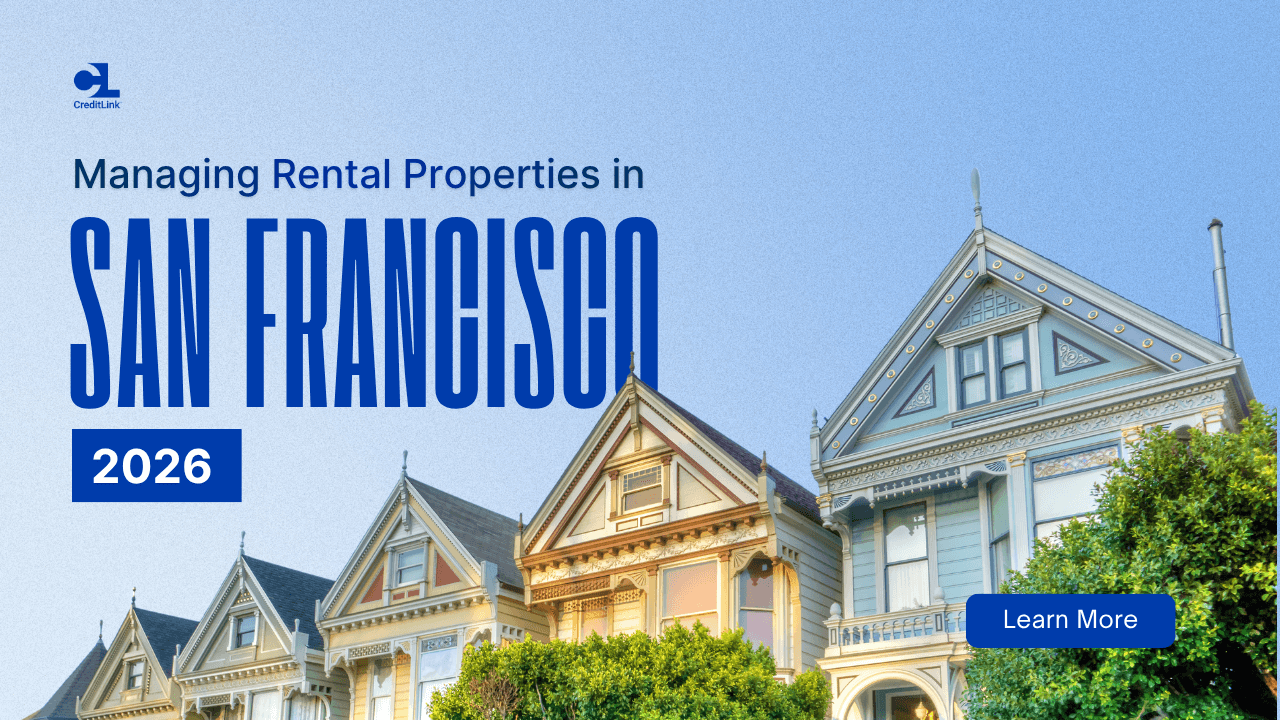
A Landlord's Complete Guide to Rental Laws, Digital Payments and Smart Property Management.
If you’re looking to streamline rent collection online and create a better experience for your tenants, RentRodeo® by CreditLink® offers a reliable and efficient solution.
Why 2026 Demands a New Approach
If you own rental property in San Francisco, you know that managing tenants and compliance is no simple feat. The Bay Area's tenant-friendly regulations, combined with modern expectations for digital convenience, create a unique challenge for landlords.
In 2026, successful property management isn't about doing things the way they've always been done. It's about balancing strict regulatory compliance with operational efficiency, and doing both simultaneously without sacrificing tenant relationships.
This guide draws on current regulations and industry best practices to help you navigate San Francisco's rental landscape with confidence.
Understanding San Francisco Rental Laws in 2026
San Francisco doesn't just follow California law, it goes significantly further. As a landlord here, you're operating under a multi-layered regulatory framework that protects tenants extensively.
State Level Protection: California Tenant Protection Act of 2019 (AB 1482)
California's Assembly Bill 1482 establishes rent increase caps based on inflation, typically limiting annual increases to a percentage tied to the Consumer Price Index. This applies to most residential properties built before February 2019. Understanding these limits is fundamental, exceeding them puts you at legal and financial risk.
San Francisco-Specific Regulations: A Stricter Framework
San Francisco imposes additional local controls that many landlords underestimate:
• Local Rent Control Ordinance – Applies to most buildings constructed before June 1979, freezing rents or limiting increases to percentages set annually
• Just Cause Eviction Requirements – You cannot evict without a legally protected reason (non-payment, lease violation, or specific no-fault grounds)
• Relocation Assistance Payments – No-fault evictions (owner move-in, property demolition, or substantial remodeling) require payments ranging from one to five months of rent
• Notice Requirements – Rent increases and evictions require specific notice periods (typically 30–60 days), and notices must include exact legal language
• Right to Counsel – Tenants in some San Francisco categories have the right to legal representation, funded by the city
The bottom line: Non-compliance isn't a minor administrative issue. Incorrect notice language, missed documentation, or procedural mistakes can invalidate an eviction and expose you to liability and legal fees.
Why Your Tenants Expect Digital Rent Collection
Today's tenants grew up with digital banking, digital payments for utilities and subscriptions, and cashless transactions everywhere. They view online rent payment as a basic business practice, not a luxury.
What happens when you don't offer it?
The Hidden Costs of Manual Payment Methods
• Delays – Mailed checks take 5–7 days to arrive and process
• Cash handling risks – Physical money creates security, tracking, and record-keeping headaches
• Missed payments – Tenants forget or deprioritize manual payment steps
• Administrative overhead – You spend time chasing payments, reconciling accounts, and tracking late fees
• Tenant friction – Cumbersome payment processes can strain your relationship with residents
In San Francisco's competitive rental market, tenant retention matters. Offering seamless digital payments is an investment in lease renewals and a professional property image.
The Real Benefits of Automatic Rent Payment
Benefit | Impact on Your Property |
Predictable Cash Flow | Rent deposits on the due date, eliminating late fees and follow-ups |
Reduced Admin Work | No tracking spreadsheets, reminder calls, or late payment follow-ups needed |
Complete Payment Records | Digital documentation protects you in disputes and satisfies legal compliance requirements |
Tenant Satisfaction | Residents feel your property is professionally managed, improving retention and word-of-mouth referrals |
Modernizing Rent Collection with RentRodeo® by CreditLink®
Modern rent collection platforms solve these problems by automating the entire payment workflow. Rather than managing multiple payment methods and chasing late tenants, you set up the system once and let it run.
It functions as a complete rent collection portal for landlords, enabling easy and secure automatic rent collection online.
What RentRodeo® Offers
easy rental pay online options
recurring automatic rent payment setup
real-time payment tracking
reminders and alerts for tenants
centralized dashboard for landlords
streamlined accounting and reporting
Instead of chasing payments, landlords can rely on automation to ensure consistent cash flow.
RentRodeo® Top Features
A comprehensive rent management platform should provide:
• Automated recurring payments – Tenants authorize payments once; rent withdraws automatically
• Flexible payment methods – Bank transfer, ACH, credit/debit card, digital wallets
• Real-time tracking dashboard – See payment status, upcoming due dates, and tenant communication history
• Automated tenant reminders – Notifications sent before due date reduce late payments
• Late fee management – Automatic calculation and tracking of penalties
• Integrated accounting – Payment data syncs directly to accounting software
• Audit trails and compliance documentation – Every transaction logged for legal protection
Why This Matters for San Francisco Landlords Right Now
San Francisco's rental market is both highly competitive and heavily regulated. To remain profitable while staying compliant, you need operational tools that do two things simultaneously: reduce your workload and create a professional tenant experience.
Rent collection platforms bridge this gap. They remove the friction from payment collection, freeing you to focus on compliance, maintenance, and tenant relations. In a market where tenants have options, being the landlord with the professional, transparent, digital-first experience is a competitive advantage.
Best Practices for San Francisco Landlords in 2026
1. Know Your Local Regulations
Don't assume statewide rules apply. Review the San Francisco Rent Ordinance annually, monitor the Rent Board website for updates, and consult a local real estate attorney before making significant decisions (rent increases, evictions, property changes).
2. Document Everything
Digital payment platforms automatically create an audit trail. Use this to your advantage: maintain records of notices, lease agreements, payment receipts, and correspondence. In disputes, documentation is your strongest defense.
3. Communicate Professionally
Use official channels (email, portals) for all rent-related communication. Avoid informal agreements. This protects both you and your tenants by ensuring clarity and creating a paper trail.
4. Invest in the Right Tools
Don't manage multiple properties manually. Choose a platform that integrates rent collection, lease management, maintenance tracking, and reporting. The time you save compounds as your portfolio grows.
Final Thoughts
Managing rental properties in San Francisco in 2026 requires a proactive approach.
By staying informed about rental laws in San Francisco and adopting digital solutions like RentRodeo®, landlords can simplify rent collection, reduce risk, and improve overall performance.